
Postpartum & Early Motherhood.
Hormonal recovery, nutrient restoration, and matrescence continue well beyond the first year.
The longer phase that begins when the baby arrives and continues much further than six weeks. The stage that has a name, matrescence, and asks for recognition. Whether you are in the first months, the second year, or still finding your way after several years, you are welcome here. There is no timeline for recovery and no schedule for becoming the mother you are becoming.
Postpartum recovery beyond six weeks.
Postpartum is not a six-week event. The body is reorganizing hormonally for at least a year, often longer. Sleep is fragmented in ways that compound over time. Nutrient stores depleted in pregnancy and birth take patience to restore. The mother who has just given birth is now sustaining another life as well as her own, and yet she is the one most often told to bounce back.
Beyond the physical, there is matrescence, the developmental transition into motherhood that reshapes identity, relationships, and how you experience yourself. It is a real psychological phenomenon, not a feeling that should pass quickly. For most mothers, the inner reorganization takes longer than the outer recovery.
Some postpartum experiences are smooth, supported, and held well. Others are hard. Depleted, isolated, unrecognized. Both are welcome here. The work of postpartum is the work of restoration in body and identity, and it deserves real attention.
Five pillars, applied to postpartum.
Hormonal recovery, nutrient restoration, energy rebuilding. The metabolic and clinical foundations that support sustained recovery beyond the first six weeks. Often the mother whose blood markers were never re-tested after birth is the mother whose recovery is still incomplete years later.
The nervous system that has carried pregnancy, birth, and now sustained sleep disruption. Regulation work that fits a real life with a real baby. Not performance practices. Practices a mother can actually do, in moments she actually has.
The grief that often arrives in postpartum. For the woman you were before, for the birth that was different than imagined, for the mother you wanted to be on the days you cannot. This pillar carries weight in postpartum that it may not in other stages.
The practice of returning to yourself, however briefly, in the moments between feeds. A two-minute grounding when the baby is asleep. The practice that makes the long days bearable. In postpartum, this is the pillar mothers reach for most often.
Strengths-based work for the months and years that ask everything. What is already strong, named and leaned on. Love returned to. Humor when it surfaces. The capacity to do something small with care. These are what hold a mother together when the rest is fragmented.
Steady presence through the early weeks.
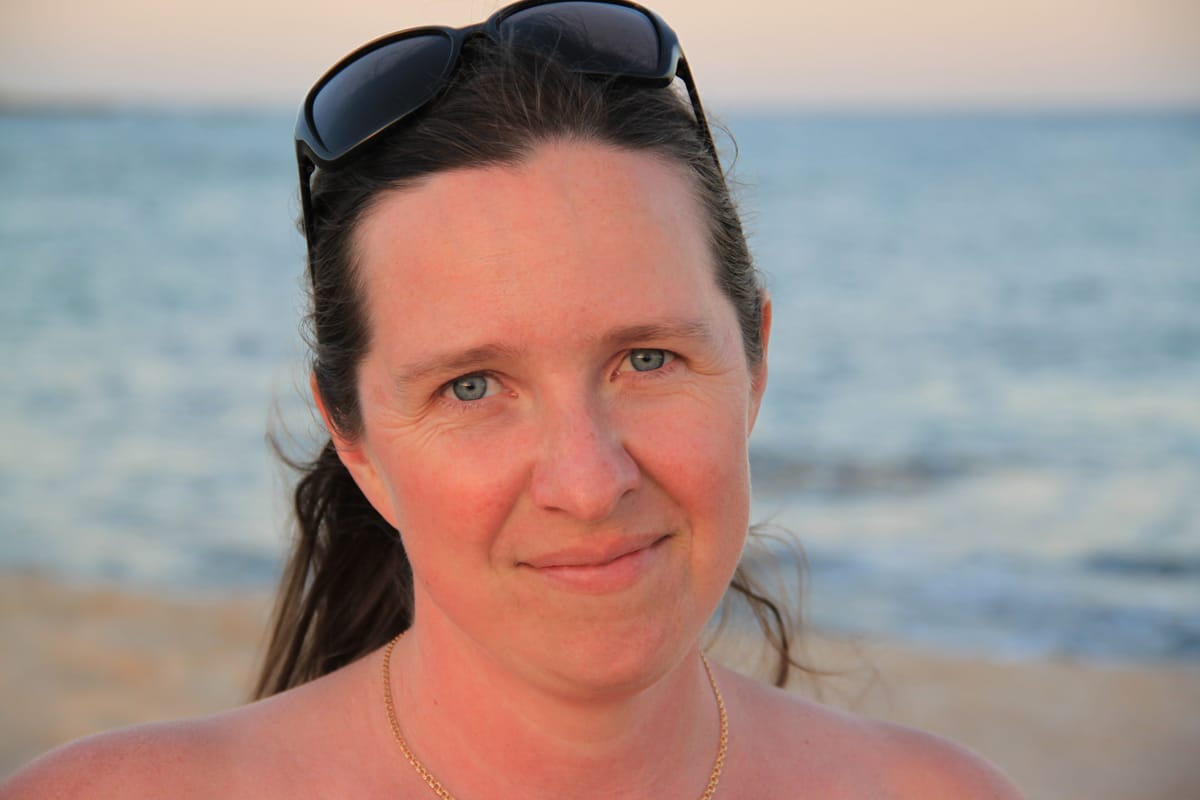
Beyond the longer-phase recovery work of this stage, postpartum doula support is offered as a parallel service: in-home care, overnight presence, and the practical day-to-day support that a mother who has just given birth genuinely needs. The kind of help that lets the rest of the recovery work actually happen.
Care packages, consultations, overnight care. Aotearoa New Zealand in person; online worldwide for consultation.
Learn more about Doula supportWays to begin with postpartum.
Free entry points are always open. The paid program is launched in cohorts.
A ten-week cohort program for restoration in body and identity, for mothers ready to take their own postpartum recovery seriously.
Learn moreBirth and postpartum doula support in Aotearoa New Zealand and online worldwide. Prenatal, labor, early postpartum, overnight care packages.
Learn more about Doula supportA free daily practice that supports the foundations of how we live. Twenty-one short messages, one a day, drawing across all five pillars.
Start the 21-Day FoundationOne piece each Friday on the work of these stages. Practical, honest, useful. The steady continuing thread alongside any program.
Subscribe to Living FullyPersonalized 1:1 support for your specific stage and situation. Begins with a Discovery Call to discuss whether the work is the right fit.
Schedule a Discovery CallWhat is matrescence?
Why is my postpartum recovery taking longer than the six weeks I was told to expect?
How is postpartum support different from general mum-wellness content?
When is the right time to start working on postpartum recovery?
If something here resonates and you would like to stay in touch, the Living Fully newsletter is the steady thread. The 21-Day Foundation is here when you are ready. When the Restoration Program launches, you will be among the first to know.
Last updated