Seeing Things As They Really Are | Living Fully
Article Outline
▼Summary
▼Seeing Things As They Are
We often spend energy wishing things were different, but what if we could learn to see things exactly as they are, before trying to change them? This gentle approach can help us reconnect with our body's wisdom and find more ease in our lives. Let's explore the idea of observing without reacting and finding freedom in the present moment.
We spend so much energy wanting things to be different. Our body. Our circumstances. Our feelings. Our past. If only this were different. If only I could change that.
And while change is natural and good, there's something powerful in learning to see things exactly as they are, before trying to change anything at all.
An Ancient Practice
There's a meditation tradition I've been practising for a few years called Vipassana. The word simply means "to see things as they really are." It's non-religious, non-sectarian, open to anyone, and it's taught me more about my body and mind than anything else I've encountered.
I'm not going to teach you the technique, it's something you learn through direct experience, in a dedicated course. But I want to share some of the ideas behind it, because they've shaped how I think about everything.
Three Kinds of Knowing
There's a teaching I keep coming back to. It says there are three types of understanding.
The first is what you learn by hearing or reading. Someone tells you that rest is important, and you believe them.
The second is what you figure out intellectually. You read the science, it makes sense, you understand why rest matters.
The third is what you know because you've felt it in your body. You've experienced what deep rest actually does to your nervous system. Not as an idea, as a sensation. A shift. Something that can't be unfelt.
That third kind of knowing changes everything.
And honestly, it's what I'm trying to offer through all of my work. Not just information about wellness. Not just explanations. But actual experience. Because the body knows things the mind hasn't caught up with yet.
Observing Without Reacting
One of the most powerful skills I've learned through this practice is equanimity, the ability to observe what's happening without immediately reacting.
Not suppressing. Not amplifying. Just being with what is.
In practice, this looks like noticing a sensation in the body, a tension in the shoulders, a tightness in the chest, a flutter in the stomach, and instead of reacting, clenching, worrying, or running, you just stay. You observe. And you notice something remarkable: it changes on its own.
Everything changes. The discomfort you're feeling right now will change. The joy will change too. This isn't sad, it's actually freeing. When you truly understand that nothing is permanent, you stop clinging so tightly to what feels good and stop dreading what feels hard.
You start being with what's actually here.
This is what I mean when I say nothing is broken. Everything is simply in motion.
What This Means for You
You've spent 10 weeks with me now, coming home to yourself, listening to your body, exploring your heart's wisdom, sitting with the stories you carry. These ideas aren't foreign to you, they're the deeper roots of what we've already been exploring together.
You don't have to practise Vipassana to benefit from these principles. But if this resonates, if the idea of seeing things as they really are speaks to something in you, I encourage you to explore further. Vipassana courses are completely free, run entirely by donations from people who have benefited and want to offer the experience to others. You can learn more at dhamma.org.
Where in your life are you spending energy wanting things to be different, when seeing clearly might serve you better?
Can you think of something you know intellectually but haven't yet felt in your body?
What might shift if you practiced observing your reactions rather than being carried away by them?
Practice This
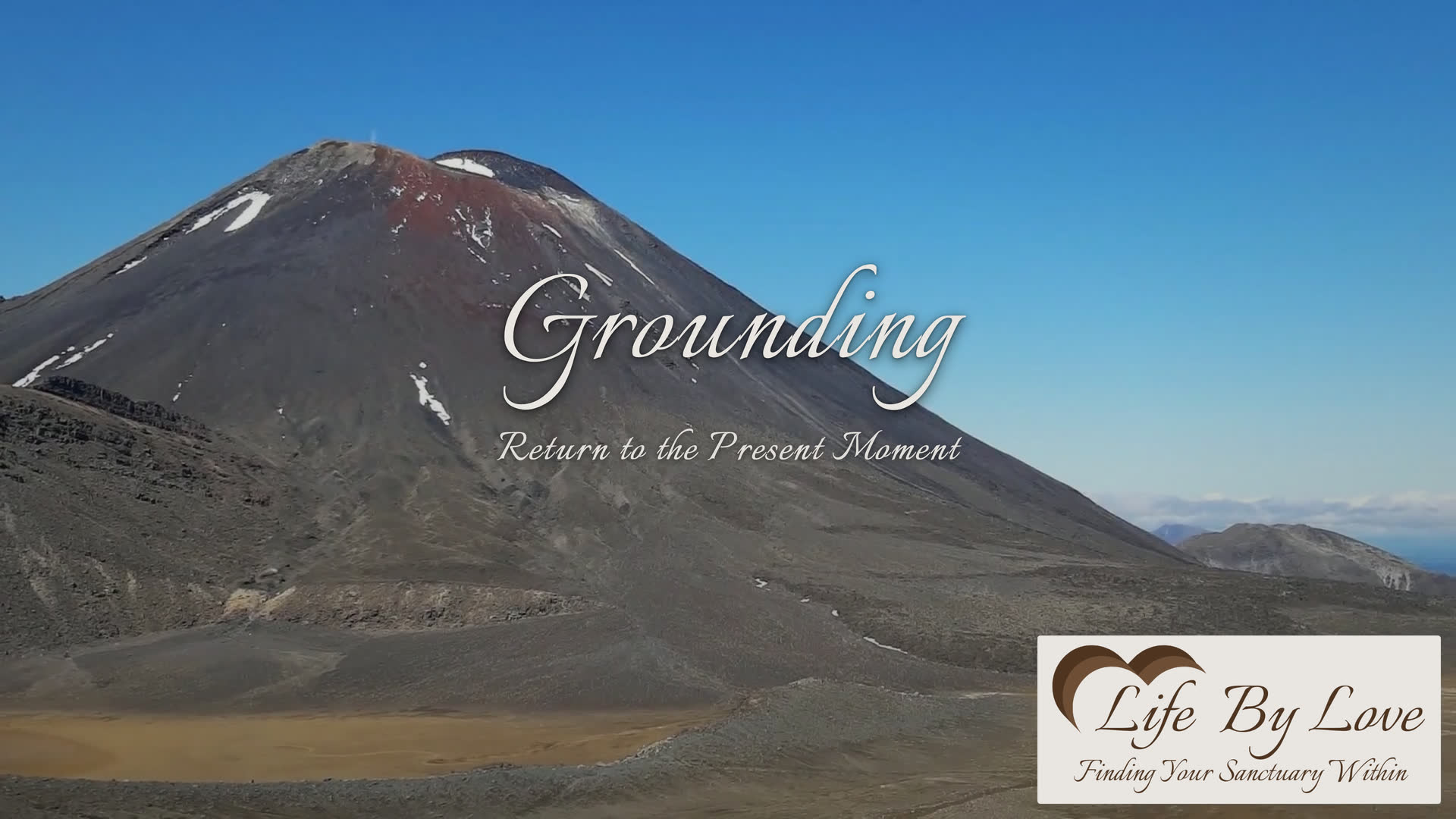
This week's featured meditation is Grounding, 10 minutes of settling into your body and noticing what's present. No need to change anything. Just notice. It's a beautiful companion to the ideas we're exploring.
With love,
Johanna