
Mind-Body Medicine: Three Ways This Practice Can Transform Your Health
Article Outline
▼Summary
▼Finding Calm in the Connection
As we navigate life's challenges, it's easy to feel disconnected from our bodies and minds. In this article, we explore the practice of mind-body medicine, and how it can help us cultivate greater awareness, resilience, and wellbeing by working with the connection between our mental and physical health.
You have probably noticed that when you are stressed, your body feels it too. The tension headache after a difficult day. The stomach that churns before a challenging conversation. The way chronic worry seems to settle into your shoulders and never quite leave.
This is not coincidental. Your mind and body are not separate entities that happen to share the same space - they are deeply interconnected, constantly communicating, each influencing the other in ways that profoundly affect your health.
Mind-body medicine works with this connection intentionally. Rather than treating physical symptoms in isolation or addressing mental health as something separate from the body, these practices recognize that true wellbeing requires attention to both. And the benefits extend far beyond what you might expect.
What Mind-Body Medicine Actually Is
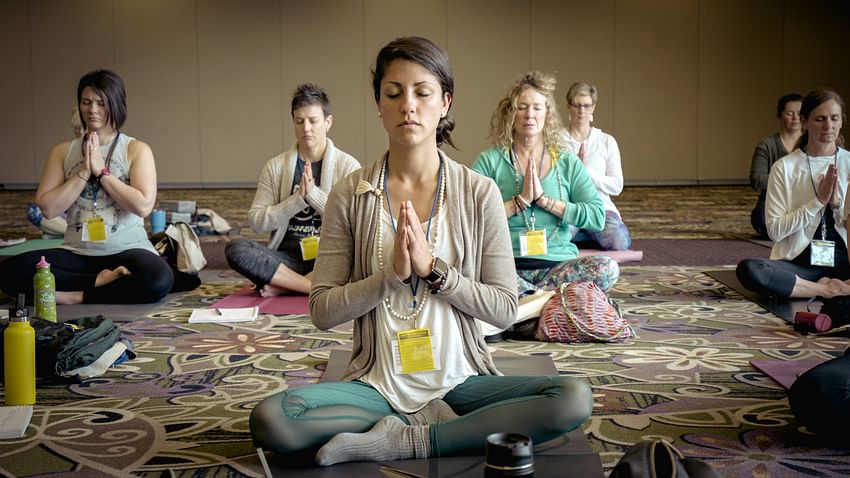
Mind-body medicine encompasses practices that use the connection between mental and physical health to promote healing and wellbeing. This includes meditation, yoga, breathwork, tai chi, guided imagery, and other approaches that engage both the mind and the body simultaneously.
These are not new practices. Many have roots in ancient traditions that understood the mind-body connection long before modern science confirmed it. What is new is the growing body of research validating what practitioners have known for centuries - that how you think and feel directly affects your physical health, and that practices targeting this connection can create meaningful change.
The science is increasingly clear: chronic stress alters hormone levels, increases inflammation, disrupts sleep, impairs immune function, and contributes to virtually every chronic disease. Mind-body practices offer a way to interrupt these patterns and create conditions for healing.
Reducing Stress and Its Physical Consequences
Stress is not just uncomfortable - it is physiologically damaging when it becomes chronic. Your body's stress response, designed to help you escape immediate danger, was never meant to run continuously. Yet for many people in modern life, it does.
When stress becomes chronic, cortisol remains elevated, disrupting blood sugar regulation, promoting weight gain (particularly around the middle), impairing memory, disrupting sleep, and weakening immune function. The "fight or flight" response that should be occasional becomes a constant state, wearing down your body's systems over time.
Mind-body practices directly address this by activating the parasympathetic nervous system - your body's "rest and restore" mode. When you practice meditation, slow breathing, or gentle yoga, you are not just relaxing psychologically. You are sending signals to your nervous system that shift your entire physiology.
Research shows that regular meditation reduces cortisol levels, lowers blood pressure, improves heart rate variability (a marker of cardiovascular health), and decreases inflammatory markers. These are not subtle effects - they are measurable changes in how your body functions.
The key word is "regular." A single meditation session provides temporary relief. A consistent practice creates lasting change in how your nervous system responds to stress. Over time, you build greater capacity to handle challenges without your body paying the price.
Building Emotional Resilience
Life inevitably brings difficulty. Loss, disappointment, uncertainty, and challenge are part of the human experience. What differs between people is not whether they face hard things, but how they navigate them.
Emotional resilience - the ability to experience difficulty without being overwhelmed by it, to recover from setbacks and maintain a sense of equilibrium - is not a fixed trait. It can be developed. And mind-body practices are remarkably effective at building it.
Meditation, in particular, trains your capacity to observe your thoughts and emotions without being swept away by them. You learn to notice when anxiety arises without necessarily believing every anxious thought. You develop the ability to feel difficult emotions without being consumed by them. This is not suppression or avoidance - it is a different relationship with your inner experience.
This capacity translates directly to daily life. When challenges arise, you have more choice in how you respond. The space between stimulus and response widens, allowing for more thoughtful action rather than reactive patterns.
Research on long-term meditators shows actual changes in brain structure - increased gray matter in regions associated with emotional regulation and decreased activity in the amygdala (the brain's alarm center). Your brain literally changes in ways that support greater emotional stability.
Beyond individual resilience, this capacity affects your relationships, your work, and your sense of meaning. When you are not constantly overwhelmed by stress and reactivity, you have more energy and presence for what matters to you.
Supporting Physical Health and Healing
The benefits of mind-body practices extend beyond stress reduction to direct effects on physical health. This makes sense when you understand that chronic stress contributes to inflammation, impaired immunity, and dysregulated hormones - all of which underlie many physical conditions.
Practices like yoga combine the stress-reducing benefits of breathwork and mindfulness with physical movement that builds strength, flexibility, and body awareness. Tai chi offers similar benefits through gentle, flowing movements that improve balance and coordination while calming the nervous system.
Research has demonstrated benefits of mind-body practices for conditions including chronic pain, high blood pressure, insomnia, digestive disorders, autoimmune conditions, and recovery from illness or surgery. While these practices are not replacements for medical treatment, they are valuable complements that support the body's capacity to heal.
There is also growing recognition that mind-body practices can support immune function. The connection between stress and immunity is well-established, and practices that reduce stress appear to have measurable effects on immune markers. For people dealing with chronic illness or recovering from acute illness, this matters.
Perhaps most importantly, mind-body practices cultivate interoception - awareness of your body's internal signals. This seemingly simple capacity is foundational to health. When you are attuned to your body, you notice early signals of fatigue, hunger, stress, or illness. You can respond to what your body needs rather than overriding its messages until they become impossible to ignore.
Finding Your Practice
Mind-body medicine is not one-size-fits-all. The practice that resonates with one person may not appeal to another. What matters is finding something sustainable - a practice you will actually do regularly.
If sitting still feels impossible, movement-based practices like yoga or tai chi might be more accessible than seated meditation. If you need structure, a class or app might help more than trying to practice on your own. If you are dealing with trauma or significant anxiety, working with a qualified teacher who understands these issues is important.
Start where you are. Even a few minutes of conscious breathing each day creates change over time. You do not need to retreat to a monastery or practice for hours. Consistency matters more than duration.
The goal is not perfection or achieving some special state. It is developing a sustainable relationship with practices that support your wellbeing - practices you can return to throughout your life as needs change.
More Than Stress Relief
Mind-body practices are sometimes dismissed as merely relaxation techniques - nice but not essential. This undersells their potential.
When practiced regularly, these approaches change your relationship with your own mind and body. They build capacities that affect every area of life: how you handle stress, how you relate to difficulty, how you show up in relationships, how you make decisions, how you take care of yourself.
In a world that often treats mind and body as separate - and treats both as machines to be optimized rather than integrated aspects of a whole person - mind-body medicine offers a different paradigm. One that honors the complexity of being human and works with, rather than against, your nature.
Your mind and body are partners. Learning to work with that partnership is among the most valuable investments you can make in your health.